
No-wagering casino UK: the licensed sites, the 10x cap, and what the offer actually costs
A casino described as “no wagering” sounds like an act of generosity. It is rarely one. What it usually means is that the bonus is smaller, the eligible games are narrower, or the free-spins value is capped at a fraction of a pound — and the marketing word is doing more work than the small print. The honest version of the question is which sites carry a no-wagering incentive that suits the kind of player who would use it, what the wider UK market looks like on 18 September 2026, and what changed when the Gambling Commission brought in a hard cap on how many times a bonus can be turned over before it pays out.

Current as of 7 November 2026; verified against the Gambling Commission’s public register of gambling businesses.
Table of Contents
- What “no wagering” actually means on a UK-licensed site
- The 10x cap, and what it did to the menu
- What the wider UK licensed-casino market looks like
- How the comparison is built
- Side-by-side: ten licensed UK casinos
- Virgin Games: white-label under a larger account
- Casumo: a directly licensed online-only brand
- Ladbrokes: a heritage bookmaker on a shared licence
- Betfair: shared account with Paddy Power, exchange-shaped bonus menu
- PokerStars: the .uk domain and a licence aligned with the poker product
- Gala Bingo: a bingo-first brand on a shared licence
- 32Red: a directly licensed online casino with a long register history
- Coral: third brand under LC International
- Sky Vegas: directly licensed and small-scope
- Paddy Power: shared licence with Betfair, sportsbook-shaped welcome
- Payments: what funds and withdrawals look like at a UK-licensed casino
- Crypto, anonymity, and what a UK licence does to both
- Safer-gambling tools, GAMSTOP, and what no wagering does not change
- How long a 10x bonus takes to clear, in plain numbers
- When a no-wagering bonus is the right choice, and when it isn’t
- What the offshore no-wagering market looks like, and why it sits outside this comparison
- Final read: which kind of player each offer suits
- Frequently asked questions
What “no wagering” actually means on a UK-licensed site
A wagering requirement — sometimes called a playthrough or rollover — is the multiplier a casino puts on a bonus before winnings become withdrawable cash. A £10 bonus with 30x wagering means £300 of qualifying bets before any of it is yours. No wagering skips that step: whatever the bonus produces is cash the moment the spin settles. That is the whole appeal, and it is genuine — there is no playthrough clearing period, no clock ticking on a 7-day expiry, no risk of voiding the bonus halfway through because a single spin nudged the stake above the cap.

Two things follow. First, the bonus itself is almost always smaller than an equivalent standard offer, because the operator is giving up the float. A £100 welcome package with no wagering might carry £20 of bonus funds plus a handful of free spins; a £100 package with wagering might carry £100 of bonus funds, then claw most of it back through turnover. The headline number on the offer page does not compare like for like, and the player who picks the bigger figure may end up with less.
Second, the no-wagering label is often narrower than it looks. A promotion that pays free-spin winnings as cash might still cap those winnings at £20, or restrict the spins to a single low-RTP title, or restrict them to players who deposited using a specific method. The label survives; the value is shaped around it.
Both points are why the 10x cap that came into force on 19 December 2025 reshaped this side of the market rather than leaving it untouched. The ceiling sits low enough that the gap between a “no wagering” offer and a “10x wagering” offer is smaller than it used to be, and a reader who treats the two as opposites is reading a market that no longer exists.
The 10x cap, and what it did to the menu
The cap is a hard ceiling, not a target. Any UK-licensed casino that sets a wagering requirement on a bonus has to keep it at 10x the bonus amount or below — 5x, 3x, or whatever sits beneath the cap. Mixed-product offers, where a free bet on sport unlocks casino spins or vice versa, are out. The rule sits in the Commission’s social responsibility code and applies to every site that holds a remote casino operating licence, which is the only kind of licence that lets a brand take online customers in Great Britain.
For a reader who has not seen the cap explained, the practical shape is this: the worst case in the UK is ten times the bonus turned over before withdrawal. A £20 bonus costs at most £200 of qualifying bets; a £50 bonus, £500; a £100 bonus, £1,000. That is the ceiling, not the norm — most standard welcome packages sit well under it, and no-wagering offers skip the calculation altogether because there is no multiplier to apply.
The cap closes one of the more punishing offers that used to appear in this market. Forty times and fifty times were not unusual on bonuses aimed at casual players, and the gap between those figures and zero is the gap the regulator narrowed. It did not eliminate the gap — the difference between clearing nothing and clearing ten times the bonus is still real — but it ended the worst of the old asymmetry, where a player who read the small print lost more than a player who skipped it.
What the wider UK licensed-casino market looks like
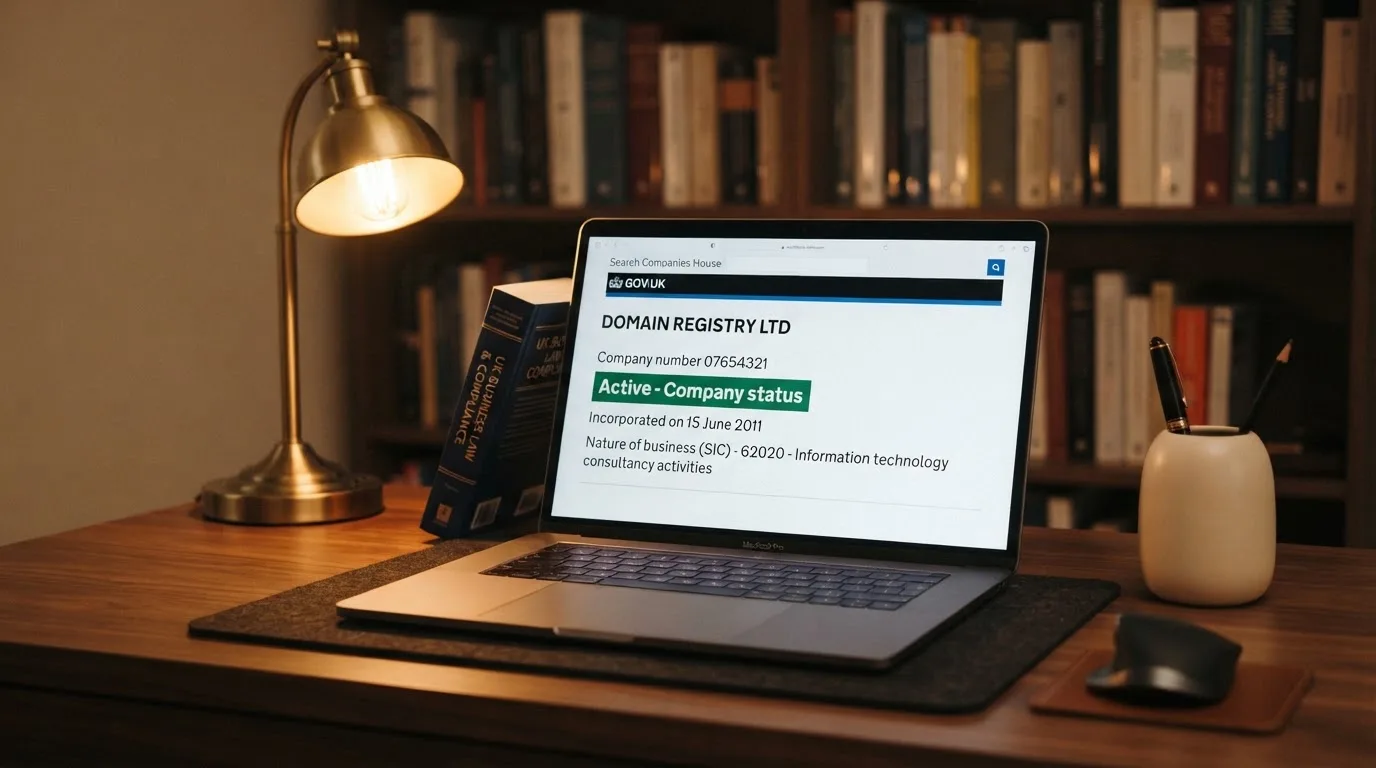
The Gambling Commission’s public register is the only test of who is licensed to take remote casino bets in Great Britain. On 18 September 2026 it listed 139 businesses holding an active remote casino operating licence, and recorded 1065 active and 361 white-label domain entries against those licences. The same account can run several domain names, and a white-label entry means the site trades under another company’s licence rather than holding its own. Three of the sites reviewed below — Ladbrokes, Gala Bingo and Coral — share licence account 54743 with LC International Limited; Betfair and Paddy Power share 39411 with PPB Games Limited.
A licence number on the register follows a fixed shape: six digits that repeat the licence holder’s account number, then “R” for remote, then a sequence number, then a suffix that records how many licence variations have been issued against the account. Ladbrokes’s entry reads 054743-R-330863-014, which is the fourteenth licence variation on account 54743. Knowing the shape is what lets a reader tell a real licence from a marketing claim of one.
How the comparison is built
The ten sites below all hold an active remote casino operating licence on the Gambling Commission’s public register, and each is named against the licence account that runs it. The comparison is a description of what the register shows for each brand, not a recommendation of where to play. Several of these brands are household names in British betting; several are online-only; one — Virgin Games — runs as a white-label domain of a larger licence holder rather than under its own account.
What the table does not do is rank them. The order in the table is the order in which the licences appear in the register and is not a quality ordering; readers are expected to weigh the entries themselves. Where research did not establish a figure for a given subject — a no-wagering welcome offer, the size of any free-spin bundle — the cell carries an em dash rather than a guess, and the write-up below the table names the gap plainly.
Side-by-side: ten licensed UK casinos
| Brand | Licence holder and GB remote casino licence | Domain status on the register | Subject support |
|---|---|---|---|
| Virgin Games | Gamesys Operations Limited, 038905-R-319430-022 | White-label domain of account 38905 | — |
| Casumo | Recro Limited, 061549-R-336718-002 | Active domain of account 61549 | — |
| Ladbrokes | LC International Limited, 054743-R-330863-014 | Active domain of account 54743 | — |
| Betfair | PPB Games Limited, 039411-R-319335-010 | Active domain of account 39411 | — |
| PokerStars | Stars Interactive Limited, 039108-R-319334-026 | Active domain of account 39108 | — |
| Gala Bingo | LC International Limited, 054743-R-330863-014 | Active domain of account 54743 | — |
| 32Red | Platinum Gaming Limited, 045322-R-324275-019 | Active domain of account 45322 | — |
| Coral | LC International Limited, 054743-R-330863-014 | Active domain of account 54743 | — |
| Sky Vegas | Bonne Terre Gaming Limited, 065519-R-339675-002 | Active domain of account 65519 | — |
| Paddy Power | PPB Games Limited, 039411-R-319335-010 | Active domain of account 39411 | — |
Three licence accounts run seven of these domain names. The brand a player signs up with is not always the company behind the cashier: LC International runs Ladbrokes, Gala Bingo and Coral under one account; PPB Games runs Betfair and Paddy Power under another. A complaint, a self-exclusion, or a dispute over bonus terms all route to the licence holder, not the brand on the homepage.
Virgin Games: white-label under a larger account
Virgin Games trades as a white-label domain on the Gambling Commission’s register, which means the site runs under Gamesys Operations Limited’s licence (account 38905) rather than holding a licence of its own. The arrangement is legal under the Commission’s rules — a licensee can host a white-label brand on its own licence as long as the underlying operator carries full responsibility for compliance, AML and social responsibility obligations — but it does mean the corporate identity behind the cashier is one step removed from the brand on the page.
For a player weighing no-wagering offers, the white-label structure matters in one place: the small print. White-label sites routinely inherit a bonus structure from the underlying licensee, which can mean tighter restrictions on eligible payment methods or game categories than a directly licensed brand carries. The bonus terms page is what settles this, not the domain name.
The site’s subject support for the specific question this comparison sets out — a no-wagering welcome offer, a deposit bonus with no playthrough, a free-spins bundle paid as cash — was not established by the inputs to this page, so the cell carries an em dash. The verdict is that Virgin Games is a properly licensed UK casino that fits the broader picture without standing out on this one subject; a reader who wants the white-label structure explained before signing up will find it on the licence page of the public register.
Casumo: a directly licensed online-only brand
Casumo is listed as an active domain of account 61549, Recro Limited, on the Commission’s register, and the licence number 061549-R-336718-002 is a directly held one rather than a white-label. The brand has built its identity around online casino rather than retail betting, which means the welcome offer a player sees on first deposit is the brand’s own rather than a legacy sportsbook promotion relic.
That positioning makes Casumo one of the more plausible candidates for a no-wagering offer in this comparison, because online-only brands design their bonus menus around casino players from the outset and have less historical baggage to absorb. The specific offer that appears at the time a reader signs up is not pinned down by the register; the licence is. What that means in practice: the brand is licensed, the bonus page on the site is what governs the offer, and an em dash in the subject-support cell reflects the gap in what the register alone can establish.
The verdict is a brand with a directly held licence, an active-domain status on the register, and an online-only positioning that makes its bonus structure worth checking carefully against the small print. A reader who treats the licence as the floor of trust and the bonus page as the test of value is reading the structure the way the regulator designed it.
Ladbrokes: a heritage bookmaker on a shared licence
Ladbrokes runs on the same licence as Gala Bingo and Coral — 054743-R-330863-014, held by LC International Limited under account 54743 — and that single fact does more shaping of the comparison than any welcome-bonus figure. A player who holds an account with any of the three brands holds it under the same licensee, which means self-exclusion requests, complaints about bonus terms, and safer-gambling tools all funnel through the same back office.
Ladbrokes is one of the longest-running British bookmakers, and the brand carries a retail heritage that does not always translate neatly into the no-wagering offer the comparison is built around. Welcome packages on heritage bookmaker brands tend to be split-deposit structures with multiple legs, and the no-wagering question rarely gets a clean yes-or-no. The licence is what matters here: Ladbrokes is on the register as an active domain, the licence is held, and the bonus terms on the site are what govern any specific offer.
The verdict for a reader is that Ladbrokes is a licensed UK brand with a long retail history, sharing a licence with two other sites in this comparison, and the offer page is the place to read the bonus shape rather than the licence page. That is the trade-off a heritage brand imposes on this comparison: trust in the licence, work in the small print.
Betfair: shared account with Paddy Power, exchange-shaped bonus menu
Betfair and Paddy Power both run under PPB Games Limited’s account 39411, and the licence number 039411-R-319335-010 is the same for both. Betfair’s distinctive feature — a betting exchange sitting alongside the conventional sportsbook and casino — pulls its welcome structure in two directions at once, which complicates any clean no-wagering offer. Most Betfair welcome packages that touch casino do so through free spins or a matched deposit, and the casino side of the brand sits beside the exchange rather than on top of it.
A no-wagering casino bonus at Betfair is therefore most likely to appear as a free-spin bundle paid as cash, rather than as a matched deposit with no playthrough. The exchange mechanic means the casino balance and the exchange balance behave differently, and the bonus page is the place to read which one a promotion lands on. The register alone confirms the licence and the active-domain status; the bonus terms settle the offer.
The verdict is that Betfair’s licence is shared with Paddy Power and the brand is correctly licensed for the UK, but the exchange-and-casino split means a no-wagering offer is more likely to live in the free-spin shape than in a deposit bonus. A reader who wants the cleaner offer will look at the casino tab rather than the homepage.
PokerStars: the .uk domain and a licence aligned with the poker product
PokerStars trades on its .uk domain on the Commission’s register, and the licence — 039108-R-319334-026, held by Stars Interactive Limited under account 39108 — is the twenty-sixth variation on the Stars Interactive account. That long suffix number is what the register uses to record each licence change, and a high number usually means an established licensee rather than a new entrant.
The brand’s identity sits on poker, with casino as a side product rather than the headline. Welcome offers tend to reflect that — a PokerStars welcome is more likely to be tournament tickets or a casino bundle framed around a poker deposit than a standalone no-wagering casino package. For a reader comparing this page’s ten sites for a no-wagering casino offer, PokerStars is therefore on the list because it is licensed and present in the UK market, but not because it is the obvious place to look.
The verdict is a properly licensed UK brand whose casino sits next to a poker product the brand is better known for, and the bonus page is where any no-wagering casino offer would either appear or not. The licence is settled; the offer is the part the page cannot pin down without the site’s own terms.
Gala Bingo: a bingo-first brand on a shared licence
Gala Bingo’s licence is the same LC International account that runs Ladbrokes and Coral — 054743-R-330863-014, account 54743 — and the brand identity sits firmly on bingo rather than slots. Welcome offers on a bingo-first brand tend to be ticket bundles, free-spin adjuncts, or modest deposit matches tied to a bingo schedule, and the no-wagering question maps onto that offering more cleanly than it maps onto a heritage bookmaker’s split-deposit structure.
The site is on the register as an active domain, the licence is held, and the comparison is what it is. The verdict for a reader comparing no-wagering offers is that Gala Bingo is the bingo-shaped option in a list dominated by casino and sportsbook brands, and the offer page is where any no-wagering element will appear if it is present at all.
32Red: a directly licensed online casino with a long register history
32Red’s licence sits on Platinum Gaming Limited, account 45322, with the licence number 045322-R-324275-019. The nineteenth variation on the account is a high suffix number and reflects a licensee that has renewed or extended its licence multiple times. The brand has been a UK-facing online casino for long enough that the welcome structure has had time to settle, and the bonus menu tends to be casino-shaped rather than split between products.
For a reader weighing no-wagering offers, that matters: a brand whose welcome is a single casino deposit match — rather than a sportsbook-and-casino split — is the easier site on which to find a no-wagering label, because the offer has fewer moving parts. Whether the specific welcome is a no-wagering one is the part the register does not establish, and the small print is the part that does.
The verdict is a directly licensed UK casino brand with an established licence history and a casino-shaped welcome, which is the structural shape most likely to carry a no-wagering offer if the brand offers one at all. The licence and the brand both point the reader toward a casino-first welcome; the offer page settles whether “no wagering” actually attaches to it.
Coral: third brand under LC International
Coral’s licence is the third in the LC International cluster on this page — account 54743, licence 054743-R-330863-014, the same as Ladbrokes and Gala Bingo. Coral’s identity sits between sportsbook and casino, with a UK retail heritage that predates the online expansion and a welcome structure that often reflects both. A no-wagering label on Coral is most likely to appear on a casino tab promotion rather than on the headline sportsbook welcome, and the comparison for a reader is whether the casino side of the brand is where the offer lives.
The verdict is that Coral is correctly licensed, the licence is shared with two other sites on this page, and the offer that interests a reader looking for no-wagering play is most likely the casino-side promotion rather than the headline welcome. The structure of the licence cluster is what a reader should hold in mind when comparing terms across the three LC International brands.
Sky Vegas: directly licensed and small-scope
Sky Vegas is on the register as an active domain of account 65519, Bonne Terre Gaming Limited, with licence 065519-R-339675-002. The brand sits inside the Sky wider offering as a focused online casino rather than a generalist gambling site, and the welcome structure tends to be casino-only and modestly sized. A no-wagering label on Sky Vegas would therefore be in keeping with the brand’s narrower scope, though the register alone does not settle the question.
The verdict is a directly licensed UK casino brand with a focused casino offering and an active-domain status on the register, and the bonus page is what governs any specific no-wagering offer. For a reader who prefers a casino-only site over a multi-product brand, Sky Vegas fits that shape without standing out from the wider list on licence or register status.
Paddy Power: shared licence with Betfair, sportsbook-shaped welcome
Paddy Power’s licence — 039411-R-319335-010, account 39411, PPB Games Limited — is the same as Betfair’s. The brand sits on the sportsbook side of the PPB Games portfolio, with casino as an adjunct rather than the headline product. Welcome offers on Paddy Power tend to be sportsbook-shaped — free bets, deposit matches tied to a sportsbook stake — with casino promotions layered alongside.
For a reader looking for a no-wagering casino offer specifically, Paddy Power’s welcome is therefore an unusual fit: the brand’s identity is sportsbook, the licence is shared with Betfair, and any casino promotion lives next to the headline product rather than in place of it. The verdict is that the licence and register status are settled, and the offer page is what governs any no-wagering casino promotion the brand runs. A reader who prefers a casino-first welcome will look at one of the casino-shaped brands on the list rather than Paddy Power.
Payments: what funds and withdrawals look like at a UK-licensed casino
A UK-licensed casino accepts a narrower set of payment methods than its offshore equivalents, because the regulator has rules about how money moves and who is allowed to move it. Debit cards and bank transfers are accepted everywhere on this list, with Faster Payments as the rail most UK bank transfers run through — most transfers arrive in seconds or minutes, the scheme runs twenty-four hours a day, and individual banks set their own per-transaction limits beneath the scheme’s £1,000,000 ceiling. E-wallets are common, with Apple Pay supported by every brand whose cashier integrates it; the wallet tokenises the card and authenticates with biometrics or a passcode rather than exposing the card number. AstroPay’s UK entity, Larstal Limited, is authorised by the Financial Conduct Authority as an electronic money institution, which lets it sit inside the regulated payment chain on the same footing as a domestic e-money issuer.
What is not allowed is credit. Since 14 April 2020 the Gambling Commission has banned the use of credit cards to fund any gambling in Great Britain, including credit cards routed through e-wallets; debit cards and bank transfers were unaffected by the ban. A player who tries to deposit with a credit card is blocked at the cashier, and a deposit that involves a credit-funded balance is rejected by the operator’s payment checks. The ban sits alongside the 10x wagering cap as one of the two structural rules that shape the offer shape on every brand in this comparison.
Withdrawal timings vary. The Commission’s rules require operators to pay withdrawals back to the method they came from where possible, and most UK-licensed brands pay debit-card withdrawals within hours once the account is verified. The verification itself is the slow part: name, address and date of birth have to be checked against documents and the player’s age confirmed before the first withdrawal, and a player who signs up and tries to withdraw before the checks complete is held up at the cashier rather than at the game screen. A payment method can shape the offer too: a no-wagering bonus restricted to a single deposit method is a smaller offer than the same bonus unrestricted, and the small print is the only place this is settled.
Crypto, anonymity, and what a UK licence does to both
A no-wagering casino is not the same thing as an anonymous casino. The two ideas sit on opposite sides of the UK regulatory frame, and a player who wants both will find the second one unavailable on every brand on this list. UK-licensed sites verify identity before the first deposit or any play — the rule has been in force since 7 May 2019, and there is no exception for a no-wagering bonus. Name, address and date of birth are checked against documents, the age check confirms the player is over 18, and the cashier does not open until the verification is complete.
Crypto deposits sit on the same footing. A UK-licensed casino that accepted Bitcoin or another cryptocurrency without converting it to sterling would be running a payment chain the Commission’s anti-money-laundering rules do not contemplate, and a brand that did so would not hold a licence. Several of the brands on this list do offer crypto-shaped promotions in jurisdictions outside the UK, and the offshore version of a brand can look very different from the UK version on this point. For a reader in Great Britain, the relevant version is the one on the Commission’s register, and that version is fiat-funded, identified, and verified.
The honest framing is that no-wagering is a bonus structure and anonymity is a regulatory frame, and a UK-licensed site cannot deliver the second one whatever it does with the first. A player who wants no-wagering bonuses and is happy to be identified will find them on the brands above; a player who wants no-wagering bonuses and anonymity will need to look at the offshore market, with everything that entails.
Safer-gambling tools, GAMSTOP, and what no wagering does not change
The safer-gambling infrastructure on a UK-licensed site is the same whether the bonus is a wagering offer or a no-wagering one. GAMSTOP — the national online self-exclusion scheme — is a mandatory condition of every online licence, which means every site on this list takes part. A player who registers with GAMSTOP for six months, one year or five years is blocked from signing up or signing in across every UK-licensed casino for the full period, and the period cannot be cancelled early. The scheme is the floor, not the ceiling: every brand in this comparison has its own time-out and self-exclusion tools layered on top, and most carry deposit-limit prompts before the first deposit.
The Commission’s slot rules apply equally to no-wagering play. Since 9 April 2025 the maximum stake per game cycle is £5 for players aged 25 and over, and £2 for 18-24s since 21 May 2025; auto-play is banned, a spin may not be faster than 2.5 seconds, and losses disguised as wins are not allowed. None of these rules are relaxed for a no-wagering bonus, because the rules sit on the game rather than on the promotion. A player who has set a deposit limit on a wagering offer carries that same limit onto a no-wagering offer on the same site.
Financial vulnerability checks run at £150 of net deposits in a rolling 30 days, using public data only, and the check is the operator’s signal that the player may be in difficulty. A no-wagering bonus does not exempt a player from the check. National Gambling Helpline (GamCare) and GambleAware are the routes a player who wants help can use, and the safer-gambling page of any brand on this list links to both. The infrastructure is not optional, and the offer type does not change the player’s relationship with it.
How long a 10x bonus takes to clear, in plain numbers
A £20 bonus at the 10x cap means £200 of qualifying bets before the bonus pays out as cash. At £1 per spin on a slot that does not exclude bonus play, that is 200 spins. At 2.5 seconds per spin — the floor the regulator sets for slot spin speed — those 200 spins take 500 seconds, or about eight minutes. A £50 bonus at the cap is £500 of qualifying bets, 500 spins, roughly twenty-one minutes. A £100 bonus at the cap is £1,000 of qualifying bets, 1,000 spins, about forty-two minutes.
The time figures are short because the stake-per-spin is the binding constraint and not because the bonus is generous. £200 of qualifying bets at a slot house edge of, say, 4% returns an expected loss of £8 — the player who clears a £20 bonus at the cap loses, on average, £8 of the bonus to the house edge before the bonus pays out. The 10x cap sets a ceiling on turnover; it does not set a floor on what clearing that turnover costs.
A no-wagering bonus skips the turnover calculation entirely. Whatever the bonus produces is cash the moment the spin settles, and there is no playthrough to clear and no clock to beat. The cost of the bonus is the house edge on the spins themselves, with no additional multiplier on top. For a £20 no-wagering bonus paid as free spins on a slot with a 4% house edge, the expected loss is whatever the spin value multiplies by 4% over the spin count — and that is the whole cost. There is no £8 of bonus cleared against £200 of turnover to add on top.
The honest read is that the 10x cap keeps the standard market honest, and a no-wagering bonus keeps a narrower slice of it honest by skipping the multiplier altogether. The two are not opposites; they are two adjacent points on the same scale, and the difference between them is what the 10x ceiling costs the player on a standard offer.
When a no-wagering bonus is the right choice, and when it isn’t
A no-wagering bonus suits a player who wants a small, clean win and is happy to skip the larger bonus that comes with a playthrough. The cash is yours the moment the spin settles, and there is no clock, no eligible-games audit, no risk of a withdrawal voiding the bonus because a spin nudged above the stake cap. The trade-off is that the bonus is smaller than an equivalent standard offer, the eligible games are narrower, and the free-spin winnings are usually capped at a low figure.
A standard 10x bonus suits a player who wants a larger bonus and is happy to clear the playthrough. The bonus is bigger, the eligible games are usually wider, and the cap on what the bonus can pay out is often higher. The trade-off is the turnover calculation: £200 of qualifying bets for a £20 bonus, £500 for £50, £1,000 for £100, and the house edge eats into the bonus while the player clears it. A player who has time to clear the playthrough and patience to watch the stake cap gets a larger headline offer; a player who wants the small clean win gets the no-wagering offer.
The two offers are not interchangeable, and a reader who treats them as substitutes will end up reading the wrong small print. The licence is the same on both sides, the safer-gambling tools are the same on both sides, and the only thing that differs is the bonus structure. Picking the wrong one costs money; picking the right one costs nothing beyond the house edge on the spins.
What the offshore no-wagering market looks like, and why it sits outside this comparison
A no-wagering casino outside the UK licensing frame is a different product, and the comparison above does not cover it. An offshore site does not have to identify players before the first deposit, does not have to take part in GAMSTOP, does not have to apply the 10x wagering cap, and does not have to offer the safer-gambling infrastructure the Commission’s rules require. The marketing language tends to be louder — “no wagering” appears in the headline rather than the small print — and the absence of the Commission’s protections is part of what the offshore brand is selling.
A player who signs up with an offshore site is not committing an offence; the offence sits with the operator, under section 33 of the Gambling Act 2005, which makes it an offence to provide gambling to people in Great Britain without a Commission licence. The Commission disrupts illegal sites — cease-and-desist notices, search-engine delisting, payment and hosting referrals — but does not have ISP-blocking power, and a player who goes looking for an offshore site will usually find one.
The honest framing is that the offshore market is real, is reachable, and offers no-wagering bonuses the UK-licensed market cannot match on headline size. The cost is everything the UK-licensed market provides on top — no GAMSTOP, no Commission complaints route, no approved ADR — and that cost is not a small one. For a reader comparing options, the offshore brand is on a different ledger, and the two should be weighed separately.
Final read: which kind of player each offer suits
A no-wagering casino bonus is the right pick for a player who wants a small clean win, is happy to skip a larger bonus, and is willing to read the eligible-games and free-spin-cap small print. It is the wrong pick for a player who wants the larger headline offer and is willing to clear the playthrough. The 10x cap keeps the standard market honest, and the no-wagering offer skips the cap altogether.
The licence is the floor of trust on every brand on this list, and the bonus page is the test of value. A reader who treats the licence as the answer to “is this site legal?” and the bonus terms as the answer to “is this offer worth taking?” is reading the structure the way the regulator designed it. The rest — which game, which stake, which cap — is the player’s call.
Frequently asked questions
Are entire UK casinos built around no-wagering play, or only single promotions?
Single promotions, mostly. No brand on this comparison is structured entirely around no-wagering play; every site carries a mix of welcome offers, ongoing promotions and free-spin bundles, and the no-wagering label tends to attach to one element of that mix rather than to the whole bonus menu. The 10x cap on standard bonuses, in force since 19 December 2025, has narrowed the gap between a standard offer and a no-wagering one, but the two remain distinct shapes.
How does a no-wagering casino make its offer sustainable without a playthrough requirement?
The bonus is smaller, the eligible games are narrower, and the free-spin winnings are usually capped at a low figure. The operator gives up the float that a playthrough creates — the time between bonus credit and withdrawal, during which the house edge is grinding — and recoups it by trimming the headline figure. The marketing language tends to make this look like generosity; the small print is where the trimming sits.
Does a no-wagering casino still set a maximum bet size while a bonus balance is active?
Often yes. A no-wagering bonus can still carry a max-stake rule on the eligible games, and a spin above the cap usually voids the bonus even when there is no playthrough to clear. The max-stake rule is set by the operator’s terms rather than by the Commission’s wagering rules, and the small print is the only place it is recorded.
What deposit methods are commonly linked to no-wagering casino accounts in the UK?
Debit cards, bank transfers via Faster Payments, and the standard e-wallets supported by UK-licensed cashiers — Apple Pay, PayPal where the operator supports it, AstroPay’s UK entity Larstal Limited, and a handful of others. Credit cards have been banned for gambling funding since 14 April 2020, including credit cards routed through e-wallets; the cashier rejects a credit-funded deposit at the source.
Can a UK player hold a no-wagering casino account alongside a standard-bonus account?
Yes, on the same site or across different sites. A no-wagering bonus and a standard-bonus welcome are separate promotions with separate small print, and the Commission does not require an operator to choose one or the other. A player who claims both usually finds the two bonuses do not stack, and the small print is the place that settles whether they can be held concurrently on the same account.
How does GAMSTOP self-exclusion apply to a no-wagering casino account?
The same way it applies to any other UK-licensed online casino. GAMSTOP is a mandatory condition of every online licence, which means every site on this list takes part; a player who registers for six months, one year or five years is blocked from signing up or signing in across every UK-licensed casino for the full period. The bonus type does not change the player’s relationship with the scheme, because the scheme sits on the licence rather than on the offer.